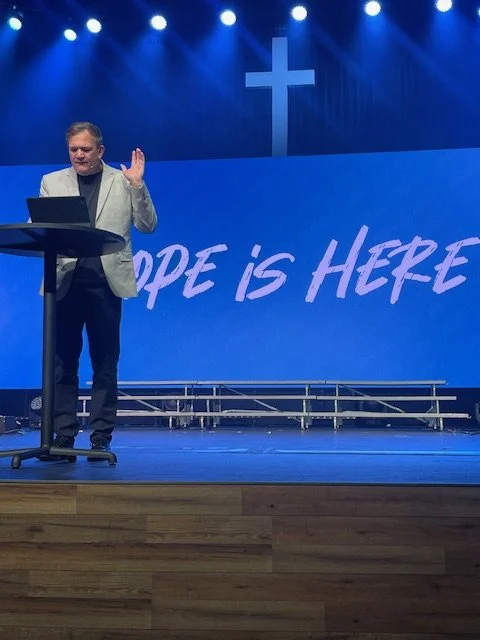
Pastor Robert Griffith Virginia
One of the most overlooked parts of foster care ministry is this: showing up isn’t a one-time thing. It’s not the event, the sign-up, or the meal train. It’s what happens after.
Consistency is what builds trust.
For children in care, inconsistency is often their norm. Caseworkers change. Homes change. Schools shift. Adults promise and disappear. That instability teaches them not to expect much—not because they don’t hope, but because they’ve been let down before.
So when a church says, “We’re here for you,” it matters whether that promise holds six months later.
I’ve seen ministries thrive not because they had the most money or volunteers, but because they built trust over time. They didn’t promise the world. They promised to keep showing up—and then they did.
This is where many well-meaning churches stumble. The initial enthusiasm fades. A key volunteer moves. The support calendar thins out. And quietly, the family who once felt seen now feels forgotten.
We don’t need to run faster. We need to pace better.
Foster care ministry should operate like discipleship: slow, relational, and rooted in faithfulness. That means fewer big moments and more regular follow-through. It means texting a foster mom on a Tuesday, not just praying for her on Sunday. It means remembering birthdays. Replacing backpacks. Saying yes when you’re tired.
Consistency doesn’t mean perfection. It means dependability.
Jesus modeled this kind of presence. He didn’t rush from crowd to crowd. He returned to people. He followed up. He restored. His ministry was full of repetition—visiting the same towns, speaking the same truths, walking with the same disciples even when they didn’t get it.
The children we serve notice when someone stays. So do their families. And so do the agencies and caseworkers who wonder if the church will really stick around once the spotlight dims.
Trust is built when words match actions over time. That’s how ministry becomes more than outreach. It becomes a relationship.
Churches that want to serve well in foster care must commit to the long haul. It’s not glamorous, but it’s deeply godly. In a world that shifts constantly, the Church has a chance to be the steady place.
We don’t need to be flashy. We need to be faithful.
That’s what these kids are watching for.
To explore foster care engagement, national dialogue, or connect with Pastor Bob Griffith’s book Fostering Jesus, visit FosteringJesus.org.